
Catalogue
Systems
Oric keeps industrial briefing practical for South African floors. We prefer one clear path over five clever options.
How Systems land on a real South African week
Systems are listed here by substrate, duty, and shutdown constraint, not by marketing category. Buyers can compare what suits a warehouse bay, wash area, dispatch lane, or process zone without paging through unrelated stock.
This is the catalogue for buyers who already understand the floor task and need the next practical step. Begin with the substrate, the production or shutdown window, and the constraint that caused trouble last time. Highveld dust, coastal humidity, and load-shedding each affect which industrial path we recommend first.
What we check before we suggest a system
We ask for one photo of the current bay, the week you need it running, and what has already failed. Vague descriptions waste the shift before tea.
Use the contact form with your city and two site limits, and skip the long background story. Teams in Cape Town and Durban use the same habit: describe the floor as it is, then match the right SKU to it.
Highveld dust and coastal moisture
OR Tambo export weeks, Sunnyrock cut-offs and second-tier mall desks still affect planning. We write for plants that are already running. Coastal grit changes cleaning frequency.
Inland dust changes how often shields need wiping. Power cuts change when you capture a first-off sample. Operated by Astros Marketing (Pty) Ltd from 2 Makro Place, Sunnyrock 1401.
Keep exploring
Systems · Plant plays · About · Contact form.
Questions on Systems? Send your query through the contact form with your city, timing and two photos of the site constraints if available. Messages are handled by our Isando team in ordinary business hours.
Systems enquiries from our Isando desk
System selection changes when the slab is green, oil-soaked, cracked, or patched with mixed materials. Access limits also matter. Narrow aisles, hygiene barriers, intermittent generators, and weekend loading all affect surface prep, curing choice, and installation order.
Line Kit
Line Kit suits marked movement routes where traffic discipline matters more than decoration. We check existing line width, turning points, forklift wear, and whether dust from nearby handling areas will reduce adhesion.
Sensor Pack
A practical route for a sensor pack on South African plant floors, written for teams who need cleaner signals, steadier checks and fewer missed reads.

Drive Bay
Drive Bay systems take heavier wheel loads and repeated braking at entries, roller doors, and loading points. The first questions are usually tyre type, concrete condition, and whether oil or rainwater regularly sits in the same track.

Panel Set
Panel Set is usually considered where control areas need a tidy, durable finish around cabinets, plinths, and service runs. Before suggesting one, we look at cable trench edges, anchor points, and how often maintenance teams open the space.

Conveyor Note
Conveyor Note applies where product movement creates fixed wear strips, drip lines, or cleaning build-up under transfer points. The useful detail is not the conveyor brand. It is whether fines, grease, washdown water, or impact at drop zones cause the recurring damage.
Safety Card
Safety Card systems are specified around pedestrian crossings, hazard edges, and exclusion zones that must stay visible under daily traffic. Colour retention, slip resistance, and cleaning chemicals matter more here than broad area coverage.

Training Play
Training Play works for induction bays and demonstration zones where teams need visible route cues and standing areas. In those spaces, we check foot traffic, cleaning routine, and whether temporary equipment gets dragged across the marked sections.

Spare Module
Spare Module is useful when a plant wants compatible repair material kept on hand for known trouble spots. Batch matching, storage conditions, and the exact bay location should be recorded before anything is set aside.
Audit Pack
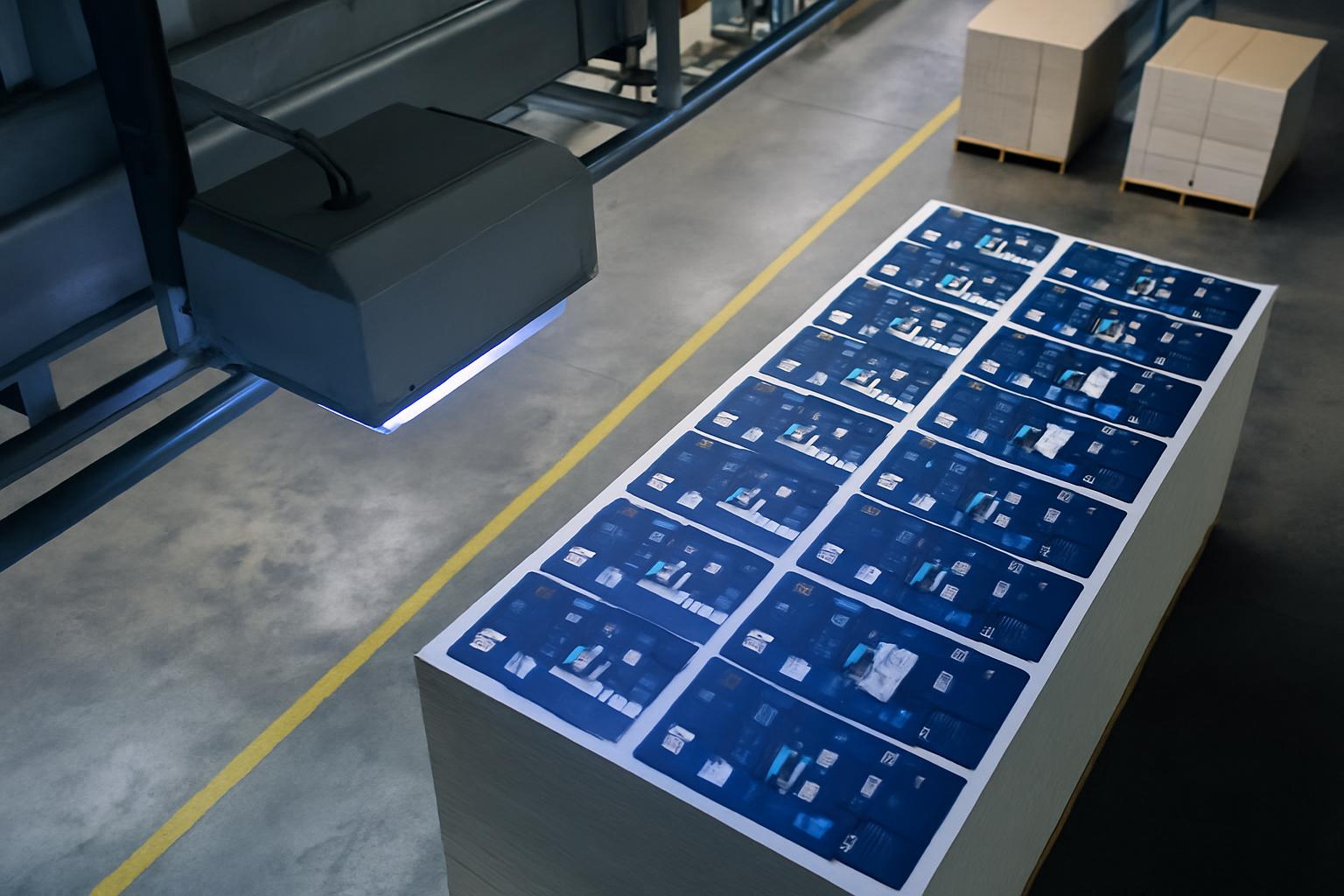
Audit Pack is built around site records that help compare recurring defects across more than one bay or branch. Photos, prior patch dates, substrate notes, and cleaning conditions tell us more than a general maintenance summary.

Startup Kit
Startup Kit is usually requested for a new section that must open with the correct surface system, marking set, and repair items in one plan. At this stage, programme pressure from OR Tambo export weeks or Sunnyrock cut-offs can shape what is sensible to specify first.

Night Shift
Night Shift planning matters when installation must happen around production, security access, and reduced lighting. We need to know which bays stay live, where generators will sit during load-shedding, and what noise limits apply after hours.

Service Path
Service Path covers routes taken by maintenance staff, trolleys, and replacement parts between plant areas. The main checks are turning wear, chemical exposure near service points, and whether the route crosses wet cleaning zones or dock traffic.

Coastal Pack
Coastal Pack deals with the floor issues that usually appear once moisture, salt air and cleaning cycles start testing the first install.

Highveld Pack
Highveld Pack deals with the floor issues that usually appear once dust, dry air and heavy traffic start wearing on the first install.

Night Shift X
Night Shift X is for the floor problems that only show themselves once the site settles into normal running. It looks at the awkward cases that arrive after handover, when traffic, cleaning and shift use start exposing weak points.

Export Week
Export Week deals with the floor and route issues that usually appear when dispatch pressure rises after the first settled run.
Training Day
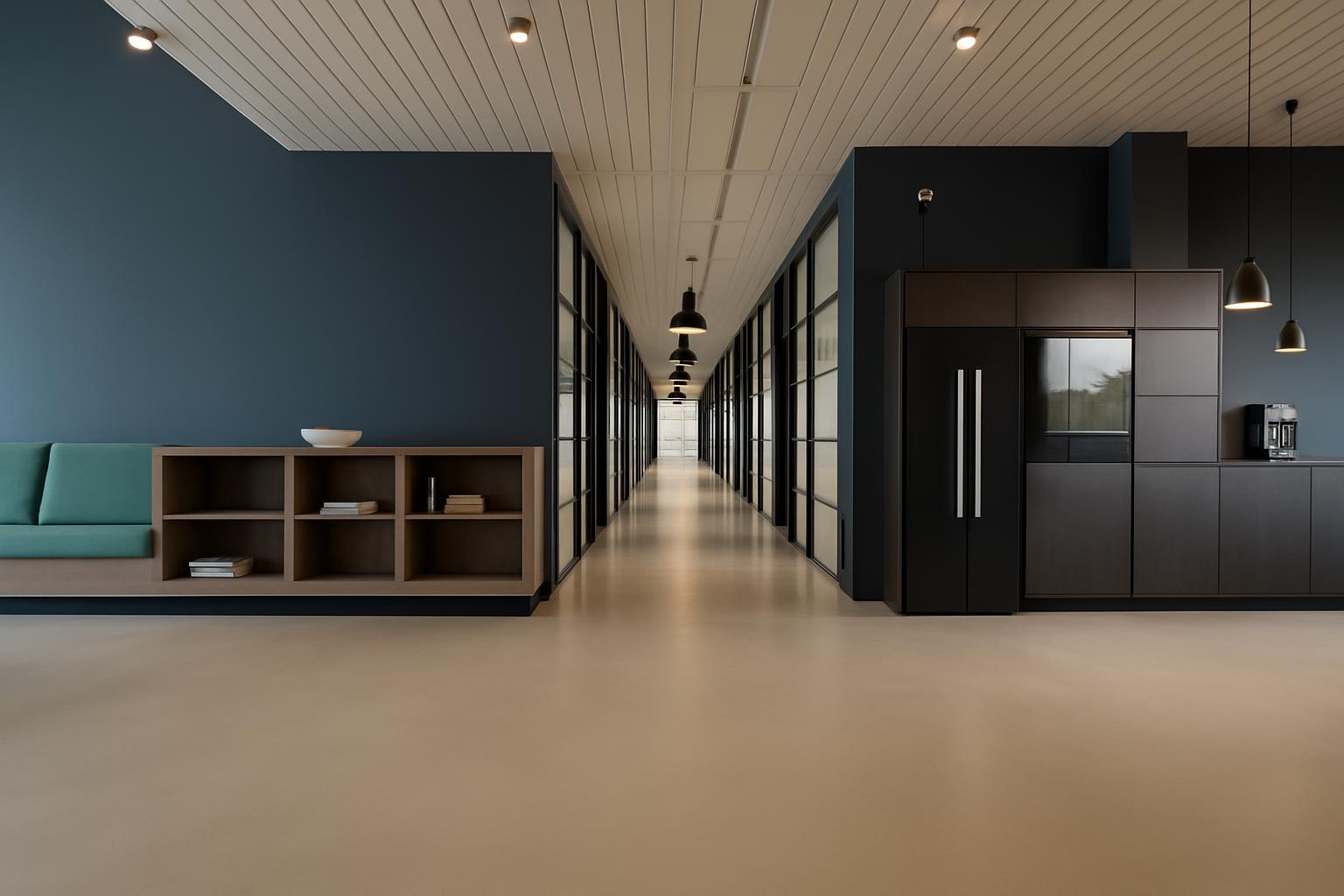
Training Day deals with the practical floor-use issues that usually show up once crews start using new routes, bays and markings.

Spares Bridge
Spares Bridge deals with the access and stores-floor issues that usually show up once the first tidy week gives way to real site demand.